
Why Are My Dental Implants Loosening? Causes, Fixes & Prevention
September 1, 2026An implant-supported tooth should feel stable when you chew. When dental implant loosening becomes noticeable, the crown, screw, abutment, or implant body may be responsible. Finding the source guides the right care because these components can develop different mechanical or biological problems.
What Does a Loose Dental Implant Feel Like?
You may notice clicking, slight rotation, or a changed bite. Movement can come from the visible crown or from deeper below it. Swelling, bleeding, drainage, or increasing tenderness needs prompt dental assessment, especially when changes develop around the supporting tissues.
Loose Crown, Loose Screw, or Loose Implant? Knowing the Difference
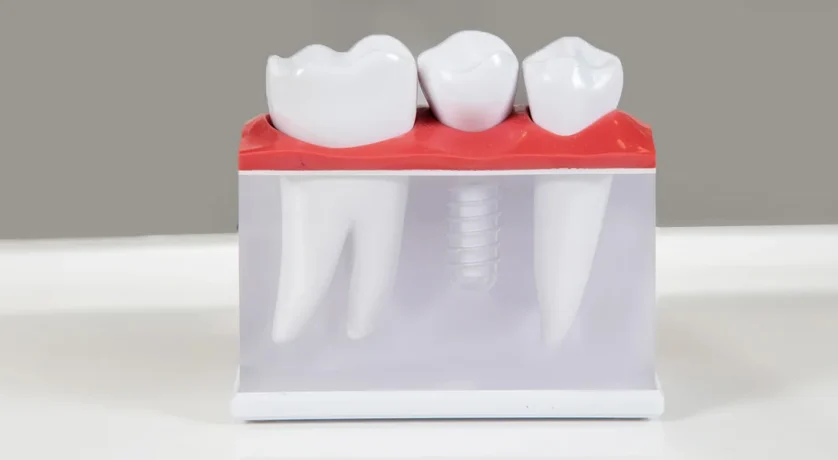
An implant-supported tooth has several connected parts. The implant body sits in bone, and an abutment supports the crown. A dentist checks which part moves before planning treatment because the FDA recognizes both abutment-screw looseness and implant-body looseness as distinct complications.
Signs It’s the Crown or Abutment
A loose crown can move while the implant underneath stays stable. Clicking, rotation, or a gap near the gumline may suggest a restorative problem. Repeated movement can also irritate nearby tissue.
Signs It’s the Implant Screw
A loose screw in a dental implant may allow the crown or abutment to shift. Implant screws rely on controlled tightening force, known as preload. Loss of that force can reduce joint stability during repeated function.
Signs It’s True Implant Failure
True implant failure involves movement of the implant body within the supporting bone. Pain, swelling, drainage, or bone loss may occur, although the clinical picture varies. Implant-body mobility needs proper evaluation rather than a simple crown adjustment.
What Causes Dental Implants to Loosen?
Several mechanical and biological problems can contribute to dental implants loosening. The dentist reviews the restoration, bite, surrounding tissues, and supporting bone together. This approach helps separate a component problem from loss of implant support.
Peri-Implantitis (Gum Infection)
Peri-implantitis involves inflammation around an implant together with progressive loss of supporting bone. Dentists may assess bleeding, drainage, probing findings, and radiographic bone levels. Advanced disease can compromise the tissues needed to support the implant.
Excessive Bite Force or Grinding
Grinding, clenching, or uneven bite contacts can repeatedly load an implant restoration. Repeated force may place additional stress on the crown or screw connection. Mechanical research shows that cyclic loading and connection design can influence screw-joint stability.
Insufficient Bone Density or Poor Osseointegration
Implants need a stable connection with the surrounding bone. Healing problems, smoking, local infection, and other clinical factors can interfere with this process. A newly placed mobile implant therefore presents a different problem from an older restoration that later becomes loose.
Screw Loosening and Loss of Preload
Implant screw loosening can occur when the joint loses enough clamping force to become unstable. Connection design, tightening torque, component fit, and repeated loading can influence that stability. These are recognized causes of implant screw loosening in implant research.
Trauma or Injury
A blow to the mouth can damage the restoration, implant connection, or surrounding structures. An unexpected bite on something hard may also place sudden force on the restoration. New mobility after trauma deserves examination even when the crown appears intact.
Underlying Health Conditions
Medical history can affect healing and long-term implant health. Uncontrolled diabetes and smoking are among the factors associated with increased risks for certain implant complications or delayed healing. Other health conditions require individual clinical assessment rather than assuming implant failure will occur.
Is a Loose Dental Implant an Emergency?
A loose dental implant needs timely attention, but it does not always require hospital treatment. Stop chewing on the area and contact your dentist when new mobility or discomfort develops. Seek urgent medical care for uncontrolled bleeding or other symptoms that may represent a serious medical emergency.
What to Do Right Away If Your Implant Feels Loose
Chew on the opposite side and avoid placing unnecessary pressure on the unstable restoration. Do not twist the crown, repeatedly test its movement, or attempt to tighten the screw yourself. If a component comes out, keep it clean and contact your dental provider for instructions.
How Dentists Diagnose a Loose Implant
Clinical Examination and Mobility Testing
The dentist checks the crown, gums, implant connection, bite, and nearby teeth. Gentle testing helps determine whether movement stays within the restoration or involves the implant body. Tissue findings are interpreted with the rest of the clinical examination.
X-Rays and Imaging
Radiographs can help identify changes in bone levels surrounding an implant. CBCT may provide additional three-dimensional information when a specific clinical question requires it. Imaging should follow clinical need rather than being used automatically for every loose restoration.
How to Fix a Loose Dental Implant: Treatment Options
Tightening or Replacing the Screw
A loose abutment screw may be retightened or replaced after the connection and components are inspected. Correct components and manufacturer-directed torque are important for maintaining the screw joint. The dentist may also check the bite when repeated loading appears to be contributing.
Crown Repair or Replacement
A loose crown may be recemented, repaired, or replaced when the underlying implant remains stable. The choice depends on its fit, structure, margins, and connection. Significant damage may prevent the crown from being repaired securely.
Treating Peri-Implantitis
Treatment starts by controlling plaque and inflammation around the implant. Current evidence-based guidance supports a nonsurgical step followed by reassessment and further care when needed. Routine systemic antibiotics are not recommended as an adjunct to nonsurgical peri-implantitis treatment.
Bone Grafting for Severe Bone Loss
Bone grafting may be considered for selected defects that are suitable for regenerative treatment. It cannot simply restore integration to an implant that is already mobile within the bone. The dentist first determines whether the implant can reasonably be retained and whether inflammation is controlled.
Implant Removal and Replacement
An implant that cannot remain stable in bone may need removal. Replacement is not always immediate because the site may require healing or reconstruction first. Timing depends on available bone, tissue health, medical factors, and the reason the implant failed.
How to Prevent Implant and Screw Loosening
Daily plaque removal and professional maintenance help protect the tissues around an implant. If an implant screw keeps coming loose, the bite, component fit, connection, and screw condition should be reassessed instead of relying only on repeated tightening. A night guard may be considered for selected patients when grinding or clenching places excessive force on the restoration.
Frequently Asked Questions
Sometimes, if the implant body remains stable, abutment screw loosening or a restorative problem may be repairable after the connection is examined. A fixture moving within bone requires a different approach.
No. Implant restorations are intended to remain stable during normal function. Any new movement should be examined to determine whether the restoration, screw connection, or implant body is responsible.
There is no single repair cost. Treatment may involve a screw adjustment, crown repair, infection treatment, grafting, or implant replacement. An examination is needed before a meaningful estimate can be provided.
Screw loosening is a recognized mechanical complication. A screw falling out should not be treated as normal or ignored. Keep the detached component and take it to your dentist instead of trying to reinstall it.
It depends on the problem and the dentist's implant training. Crown and screw complications may be managed differently from significant bone loss or implant failure. The diagnosis helps determine whether additional specialty care is appropriate.
There is no single rate that applies to every implant system. Screw stability varies with connection design, fit, torque, restoration type, and loading conditions. Research therefore reports different results across implant designs and clinical situations.
Conclusion
A shifting implant restoration may reflect a correctable component problem or a deeper loss of support. Finding the source early helps guide an appropriate next step instead of treating every loose restoration the same way. Rockefeller Cosmetic Dentistry Grand Central, New York, can assess the restoration, surrounding tissues, and supporting bone when an implant begins to feel loose.