
Tag: sleep apnea symptoms
How to Identify the Warning Signs of Sleep Apnea?
January 19, 2026Trouble staying alert during the day? Loud snoring at night? These aren’t just sleep disruptions; they could signal a serious condition. If you're seeking Sleep Apnea treatment in New York, it’s vital to recognize the red flags early. Knowing the signs now can protect your long-term health and help restore the restful sleep your body truly needs.
What Is Sleep Apnea?
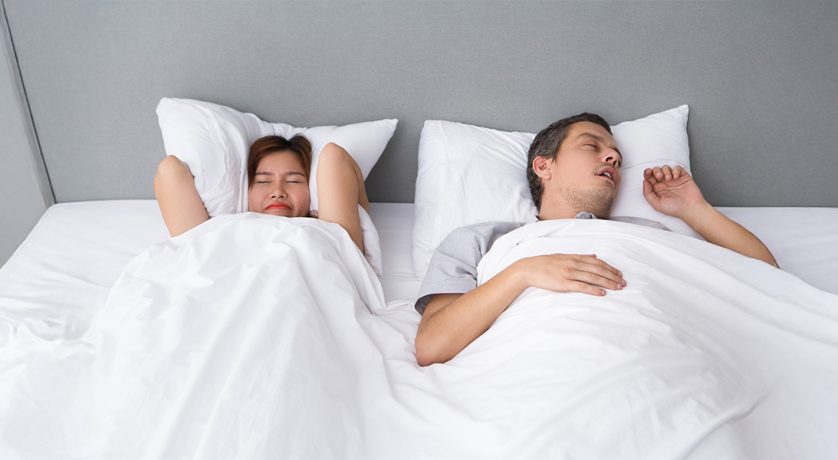
Sleep apnea basically is a sleep disorder that causes breathing to stop and begin during rest. These pauses can last from a few seconds to over a minute. They may happen dozens or even hundreds of times each night. When the body doesn’t get enough oxygen, it struggles. This condition quietly robs you of restful sleep and puts added stress on your heart, lungs, and brain.
There are three major types of sleep apnea. Each affects breathing in a slightly different way, but all can lead to serious health problems if ignored.
Types of Sleep Apnea You Should Know
-
- Obstructive Sleep Apnea (OSA):
The most common type. It happens when the throat muscles relax too much and block the airway.
-
- Central Sleep Apnea:
This one isn’t caused by a blocked airway. Instead, the brain fails to send the right signals to the muscles that control breathing.
-
- Complex Sleep Apnea Syndrome:
Also called treatment-emergent central sleep apnea, it’s a combination of obstructive and central types.
Common Symptoms That Occur During Sleep
Some warning signs only show up while you’re asleep, which makes them harder to catch unless someone else points them out. Still, knowing what to ask or look for can help.
- Loud, frequent snoring
- Gasping or choking sounds during sleep
- Pauses in breathing, noticed by others
- Restless tossing and turning
- Waking up having a dry mouth or a sore throat
If restful sleep feels out of reach, it may be time to explore options for Sleep Apnea near you.
Daytime Warning Signs to Watch For
Sleep apnea doesn’t just make nights difficult; it affects your entire day. The lack of oxygen and poor sleep quality take a toll on your body and mind. Look out for these signs:
- Extreme daytime fatigue, even after sleeping eight hours
- Trouble focusing or remembering things
- Irritability and mood swings
- Falling asleep during routine activities like driving or reading
- Headaches when waking up
These symptoms build slowly but can grow into bigger health concerns. If you’ve noticed any of these patterns, it may be time to talk to a dentist near you.
Physical Signs Observed by Others
Your partner, roommate, or even a family member might notice things before you do. That outside perspective can be key to recognizing the issue.
Here are things others might see:
- You snore so loudly that it disrupts their sleep
- You seem to stop breathing, then suddenly gasp for air
- You shift positions constantly, almost like you’re uncomfortable or struggling
- You sweat a lot during sleep
- Your face sometimes looks pale or tense when you’re asleep
Don’t brush off their concerns. Sleep apnea hardly goes away on its own. Checking in with a dentist in Grand Central who understands airway issues can help you find the answers you need.
Risk Factors That Enhances the Chances of Sleep Apnea
Certain health and lifestyle factors raise your risk. Knowing what puts you at higher risk can motivate you to get checked sooner.
- Excess weight or obesity
- A neck circumference more than 17 inches for men, 16 inches for women
- Smoking or alcohol use before bedtime
- Nasal congestion or sinus issues
- High blood pressure or heart problems
- Being male or over 40
- A family history of sleep apnea
Children can also develop sleep apnea, especially if they have enlarged tonsils or adenoids. If you fall into one or more of these categories, talk to an NYC dentist for a sleep assessment.
Why Early Detection Is Important
Ignoring sleep apnea can cause more than a rough morning. Over time, the lack of oxygen and rest can damage your heart, raise your blood pressure, and even increase the risk of stroke. It can also cause memory problems, lower work performance, and affect personal relationships.
Early detection:
- Helps prevent long-term damage
- Improves your energy and focus
- Reduces the risks of other medical problems
- Supports healthier aging
There are treatment options, many of them non-invasive and effective. And they work best when the condition is caught early.
When to See a Healthcare Professional
Don’t wait until symptoms grow worse. Reach out when:
- Snoring becomes loud and consistent
- You feel exhausted after a full night’s sleep
- You notice any of the signs listed above
- Someone else tells you they’ve seen signs during the night
A qualified professional may recommend a sleep study or suggest at-home monitoring. You don’t need to figure this out alone. Ask your dentist in New York if sleep apnea screening is available during your next check-up.
Final Thoughts
Take charge of your sleep and your health; don’t let sleep apnea go unnoticed. Early action leads to better outcomes and lasting peace of mind. Rockefeller Cosmetic Dentistry offers trusted care and personalized solutions to help you breathe much easier and sleep better. Schedule your consultation today and take the first confident step toward restful nights and energized mornings.
7 Benefits of Getting Professional Sleep Apnea Treatment
January 1, 2026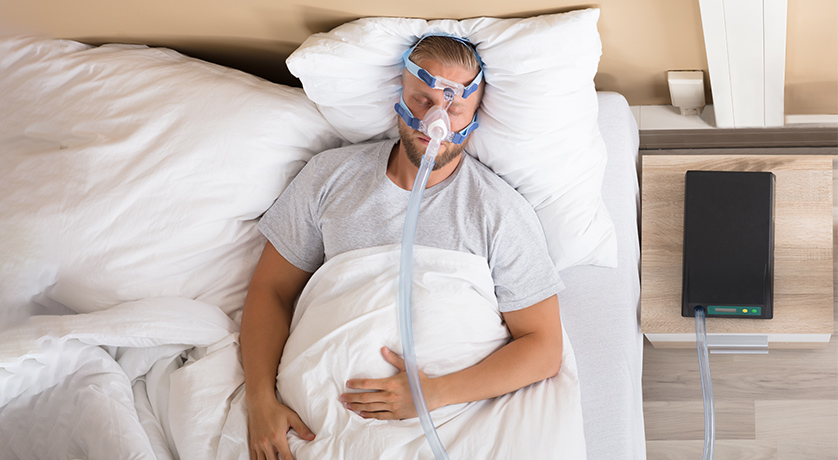
Professional care gives you a structured plan, accurate diagnosis, and access to treatments designed to improve comfort and consistency. Instead of relying on guesswork, you gain clear guidance and tools that help protect your health long-term.
Improves Quality and Duration of Sleep
Sleep apnea interrupts breathing multiple times throughout the night, preventing your body from reaching deep sleep stages. Professional treatment supports better airflow, helping you:
- Stay asleep longer
- Reach deeper and more restorative sleep cycles
- Wake up less throughout the night
- Experience more consistent, uninterrupted rest
Many adults notice that their morning routine becomes easier and that waking feels more natural without relying on multiple alarms.
Reduces Daytime Fatigue and Drowsiness
Interrupted sleep can leave you dragging through the day. With treatment, your body receives enough oxygen to recover overnight. As a result, you may experience:
- Reduced morning grogginess
- Fewer afternoon crashes
- Better alertness while driving
- Improved participation in daily activities
More stable energy helps you feel engaged at work, school, and home.
Enhances Focus, Memory, and Productivity
Consistent oxygen flow during sleep is essential for brain function. When sleep apnea is untreated, your brain repeatedly wakes to restore breathing. Treatment can help sharpen:
- Concentration
- Memory
- Decision-making
- Organizational skills
Many people find that they complete tasks more easily, think clearly for longer periods, and feel mentally sharper throughout the day.
Helps Protect Your Heart and Maintain Healthy Blood Pressure
Sleep apnea can strain the heart and raise blood pressure due to repeated drops in oxygen. Professional treatment helps keep the airway open, which may:
- Reduce cardiovascular strain
- Support healthier blood pressure levels
- Lower the risk of heart disease
- Improve long-term circulation and oxygen flow
Although treatment is not a cure-all, it plays a major role in protecting overall heart health.
Prevents Snoring and Improves Breathing at Night
Snoring is often caused by a narrowed or collapsing airway. It often leads to broken sleep for you and can keep your partner awake during the night. A Grand Central dentist can recommend treatments such as custom oral appliances to improve airflow. This may:
- Reduce or eliminate snoring
- Help you breathe more quietly
- Improve airflow throughout the night
- Promote more restful sleep for everyone in the household
Many partners notice immediate improvement once treatment begins.
Boosts Mood and Overall Mental Well-Being
Chronic tiredness can influence emotional balance, patience, and stress levels. When sleep apnea is controlled, you may notice improvements such as:
- Greater emotional stability
- Improved patience during daily tasks
- Better coping skills when stressed
- A more positive and confident daily outlook
Restful sleep helps your body regulate mood-related hormones more effectively.
Supports Long-Term Health and Better Life Quality
Sleep apnea treatment near you is an investment in lifelong health. Stable breathing during sleep supports:
- Stronger immune function
- Better metabolism
- Improved hormone balance
- Lower risk of accidents caused by drowsiness
If you are searching for a dentist in Grand Central, choosing a provider familiar with airway health can help you select oral appliances that fit comfortably and support your treatment goals.
Many people begin by looking for sleep apnea treatment, then meet with a dental professional who collaborates with sleep physicians. This teamwork helps ensure accurate diagnosis, personalized care, and long-term treatment success.
Seeing a dentist near you also makes follow-up visits easier, which encourages consistent use of any appliances and helps track improvements over time. Staying consistent with check-ins helps maintain the benefits of your therapy.
Final Thoughts
Sleep apnea can affect sleep, energy, mood, and overall well-being, but professional care offers a clear path toward healthier nights and brighter days. By improving airflow and supporting deeper rest, treatment can enhance both short-term comfort and long-term health. To take the next step toward better sleep, consider meeting with Rockefeller Cosmetic Dentistry for guidance and support tailored to your needs.