
Category: Dermal Fillers
What Should You Expect After Dermal Fillers?
July 1, 2026Dermal fillers are one of the most popular non-surgical cosmetic treatments today. According to the American Society of Plastic Surgeons, millions of filler procedures are performed every year because they offer quick results with little downtime. Still, many patients feel unsure about what happens after the appointment.
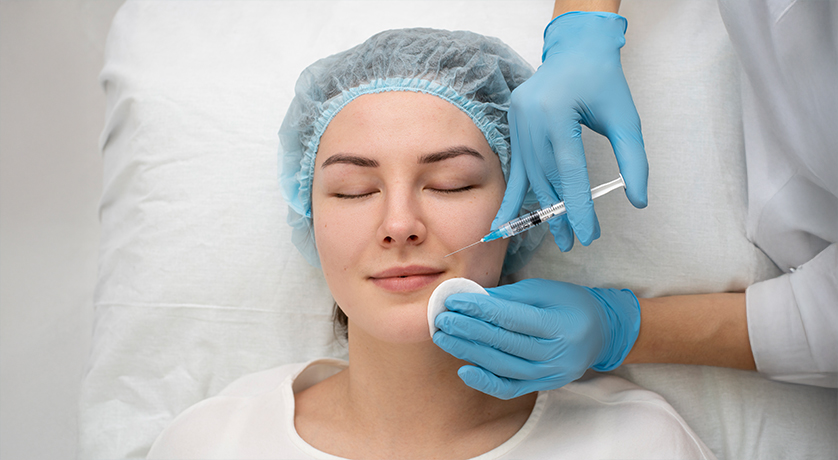
Understanding the healing process can help you feel more confident and prepared. Whether you recently scheduled treatment with a cosmetic dentist in New York or are exploring facial aesthetic services for the first time, knowing what to expect after dermal fillers is important for comfort, safety, and long-lasting results.
What Are Dermal Fillers?
Dermal fillers are minimally invasive treatments that enhance facial appearance by restoring volume and refining natural contours. Hyaluronic acid is a common ingredient in dermal fillers because it supports hydration and adds natural-looking volume to the skin.
These treatments are commonly used to:
- Add volume to cheeks
- Soften smile lines
- Enhance lips
- Improve jawline definition
- Reduce under-eye hollows
- Restore youthful facial balance
Many dental professionals now provide facial aesthetic treatments because they have advanced knowledge of facial anatomy and muscle structure.
Common Areas Treated With Fillers
Different filler products are selected depending on the treatment area and desired outcome. Common areas include:
- Lips: Lip fillers can improve shape, hydration, and symmetry while maintaining a natural appearance.
- Cheeks: Volume loss in the cheeks is common with aging. Fillers help restore facial structure and support.
- Nasolabial Folds: These facial folds extend from the sides of the nose down toward the corners of the lips. Fillers soften their appearance without surgery.
- Jawline And Chin: Strategic injections can improve facial definition and balance.
- Under-Eye Area: Carefully placed filler may reduce hollowing and tired-looking eyes.
Immediate Results After Treatment
One reason fillers remain popular is that results are often visible right away. Many patients notice fuller contours immediately after treatment. However, the first appearance is not always the final result.
Right after injections, it is normal to experience:
- Mild swelling
- Tenderness
- Redness
- Slight firmness
- Small injection marks
These reactions are temporary and usually improve within several days.
An experienced provider will explain that early swelling may make the treated area appear slightly fuller than expected at first.
Swelling, Redness, and Bruising
Swelling is the most common side effect after filler treatment. It is typically mild and improves gradually during the first 48 to 72 hours.
Bruising can happen because small blood vessels beneath the skin may become irritated during injection. Some people bruise more easily than others, especially those taking blood-thinning medications or supplements.
Common Temporary Side Effects
- Puffiness around injection sites
- Mild asymmetry during early healing
- Sensitivity to touch
- Small bruises
- Tight feeling in treated areas
Cold compresses may help reduce swelling during the first day. Sleeping with your head elevated can also minimize fluid buildup overnight.
If swelling becomes severe or painful, patients should contact their provider promptly.
How Long Does Recovery Usually Take
Most people return to normal activities within 24 hours. Recovery time depends on:
- Treatment area
- Type of filler used
- Individual healing response
- Amount of product injected
Minor swelling may last a few days, while subtle settling continues over one to two weeks.
Lip fillers often require slightly longer healing because the lips are highly vascular and sensitive.
Typical Healing Timeline
- First 24 Hours
- Mild redness and swelling
- Possible tenderness
- Days 2–3
- Swelling may peak
- Bruising becomes more noticeable
- Days 5–7
- Most swelling improves
- Results begin looking more natural
- After Two Weeks
- Final appearance usually settles
Tips for Aftercare and Healing
Proper aftercare supports healing and helps maintain smoother results. Patients should carefully follow post-treatment instructions.
Helpful Aftercare Tips
- Stay hydrated
- Use cold compresses gently
- Sleep on your back with your head elevated
- Avoid excessive touching of treated areas
- Keep skin clean and protected from sun exposure
Expert Insight
Many providers recommend avoiding unnecessary pressure on treated areas during the first few days. Even small habits, such as aggressive facial massages, can affect filler placement early in the healing process.
Patients preferring a local cosmetic dentist often appreciate providers who combine aesthetic expertise with detailed aftercare guidance.
Activities to Avoid After Fillers
Certain activities can increase swelling or interfere with healing during the first 24 to 48 hours.
Avoid The Following
- Intense exercise
- Alcohol consumption
- Hot tubs and saunas
- Excessive sun exposure
- Facial massages
- Pressure on treated areas
Heavy workouts increase blood flow and may temporarily worsen swelling or bruising.
It is also best to postpone dental procedures immediately after filler treatment unless approved by the provider.
When Final Results Become Visible
Although immediate improvement is common, final results take time to settle fully. Most patients see their optimal appearance after about two weeks.
At this stage:
- Swelling has resolved
- Fillers soften naturally within tissue
- Facial symmetry becomes clearer
- Results appear more refined
Patience during the healing process is important. Early unevenness often improves naturally as swelling decreases.
How Long Dermal Fillers Last
The duration of filler results can vary from person to person based on several important factors.
Factors That Affect Duration
- Type of filler product
- Treatment location
- Metabolism
- Lifestyle habits
- Sun exposure
- Smoking
On average, hyaluronic acid fillers may last between 6 and 18 months.
Areas with more movement, such as the lips, often break down filler faster than less mobile areas like the cheeks.
Maintenance appointments can help preserve results over time while keeping enhancements subtle and balanced.
Final Thoughts
Dermal fillers provide a non-surgical option for improving facial features while requiring minimal recovery time. Being aware of what happens after treatment may ease concerns and contribute to a more relaxed healing experience.
Most side effects are temporary, and final results often become visible within two weeks. Choosing a qualified provider is one of the most important steps for safe treatment and natural-looking outcomes.
Patients considering dermal fillers can learn more about facial aesthetic services through Rockefeller Cosmetic Dentistry
Frequently Asked Questions
The procedure is generally well tolerated, with most people experiencing only minor discomfort. Many filler products contain lidocaine to improve comfort during injections.
Yes. Most people return to work the same day or the following day. Mild swelling or bruising may still be visible for a short time.
Patients should seek professional guidance if they develop any of the following concerns:
- Severe pain
- Significant discoloration
- Increasing swelling
- Signs of infection
- Persistent lumps
Yes. Natural-looking results depend heavily on product selection, injection technique, and facial balance.
Healthy skincare habits, hydration, sunscreen use, and smoking avoidance may help maintain filler results for longer.
8 Facts About Dermal Fillers Most Patients Don’t Know
May 1, 2026Patients exploring treatment options often begin with an evaluation of facial bone contour, soft tissue thickness, and muscle movement before any injection is planned. Over time, the maxilla and mandible lose density, and fat pads shift downward, which changes how the skin rests over the underlying framework. For individuals considering dermal fillers in Grand Central, it is important to understand that what appears as a surface crease often reflects volume reduction at the skeletal level. Arterial pathways, nerve branches, and individual healing patterns must be identified in advance. Injection is appropriate only when those structures can be protected, and anatomical risk is controlled.

What Are Dermal Fillers
Dermal fillers are injectable gels, most commonly composed of hyaluronic acid. This molecule attracts and holds water within connective tissue, creating temporary expansion in areas where collagen has thinned. Depth control is critical. Material placed too superficially may cause visible contour changes. Placement in the wrong plane can compress a vessel and interfere with blood flow. Product choice is guided by tissue resilience and the degree of volume deficiency observed during examination.
1: Fillers Do More Than Reduce Wrinkles
Visible folds often develop because bone projection decreases and soft tissue descends. Cheek flattening, for example, can follow gradual maxillary remodeling. Injecting directly into a crease without addressing the underlying support may produce limited improvement.
Clinical indications may involve:
- Reinforcing midface contour where projection has diminished
- Reestablishing lip border definition after tissue thinning
- Improving chin projection to stabilize lower facial alignment
- Softening folds created by downward fat pad movement
Each region requires separate mapping because vascular supply and nerve location vary across the face.
2: Results Are Temporary but Long Lasting
Hyaluronic acid is broken down by naturally occurring enzymes in the body. Metabolism occurs over several months as circulation and cellular activity influence absorption. Areas with high muscle activity, such as the lips, often lose volume sooner. Regions with less motion tend to retain contour longer. Review appointments allow assessment of symmetry as the material resorbs.
3: Different Types of Fillers Serve Different Purposes
Formulations differ in density and flexibility. Softer gels integrate more evenly within thin dermal layers. Firmer products maintain projection when positioned near bone.
Selection is based on:
- Skin thickness
- Extent of collagen loss
- Available skeletal support
- Risk of surface irregularity
If bone support is limited, deeper structural positioning may improve stability. If the skin layer is delicate, a lower-density gel reduces the chance of visible ridging.
4: Treatment Is Quick with Minimal Downtime
Injection appointments are brief, but preparation is deliberate. The skin is disinfected to reduce infection risk. Major arterial branches are identified before needle entry. Filler is introduced in small increments while tissue response is observed. Gentle molding distributes the material within the intended plane.
Swelling develops as part of the inflammatory response to minor tissue trauma. Bruising may occur if a small vessel is entered. Increasing pain, blanching, or delayed capillary refill require immediate reassessment because those findings may indicate compromised circulation.
5: Natural Results Depend on Technique
Injection angle, depth, and volume selection determine how the material integrates. Excess volume can create tension within confined tissue spaces and irritate adjacent nerves. Insufficient correction may leave weakened areas unsupported.
Careful technique involves slow deposition and repeated symmetry checks. Decisions are guided by anatomical alignment rather than surface smoothing alone.
6: Fillers Can Improve Facial Balance
Facial proportion depends on coordination between skeletal contour, muscle tension, and overlying tissue. Reduced chin projection may alter lower facial alignment and affect perioral muscle function. In selected cases, conservative augmentation in that area restores profile balance without disturbing natural movement.
Assessment includes evaluation of jaw position and how the upper and lower arches relate. A dentist in Grand Central who evaluates facial balance must consider occlusion, mandibular support, and soft tissue thickness before recommending injectable correction. Adjustments are limited to amounts that maintain functional harmony and protect surrounding structures.
7: Maintenance Sessions May Be Needed
As the body absorbs filler, the contour gradually decreases. Breakdown is not always symmetrical because muscle dominance and circulation vary from side to side. Periodic reassessment allows small corrections before a visible imbalance develops.
Incremental adjustments at appropriate intervals often preserve stability more predictably than waiting for complete resorption. Ongoing monitoring also reduces the likelihood of excessive volume accumulation.
8: A Skilled Provider Matters Most
The facial region contains arteries that supply oxygenated blood to the skin and deeper tissues. Accidental intravascular injection can obstruct circulation and threaten tissue viability. Early indicators include persistent pain, pale discoloration, or slowed capillary refill. Immediate intervention is necessary to protect surrounding structures.
Professionals trained in head and neck anatomy understand the course of vessels and sensory nerves. Individuals searching for dermal fillers near you should confirm that anatomical mapping and risk assessment guide each injection decision.
What to Expect During Your Appointment
Consultation begins with a review of the medical history that may influence clotting or healing response. Bone contour, skin thickness, and muscle dynamics are evaluated before any material is introduced. Baseline photographs may assist with alignment analysis.
Patients meeting with a dentist near you for filler evaluation should expect a discussion of anatomical risks, alternative options, and realistic limitations. During injection, material is placed gradually with pauses to observe tissue adaptation. Light pressure controls minor bleeding if present. A follow-up visit allows evaluation of healing and structural balance.
Final Thoughts
Dermal fillers address volume changes associated with bone remodeling and collagen reduction. Safe outcomes rely on anatomical knowledge, measured volume selection, and careful post-procedure observation. At Rockefeller Cosmetic Dentistry, recommendations are based on structural findings and clinical risk assessment rather than cosmetic preference.