
How to Identify the Warning Signs of Sleep Apnea?
January 19, 2026Trouble staying alert during the day? Loud snoring at night? These aren’t just sleep disruptions; they could signal a serious condition. If you're seeking Sleep Apnea treatment in New York, it’s vital to recognize the red flags early. Knowing the signs now can protect your long-term health and help restore the restful sleep your body truly needs.
What Is Sleep Apnea?
Sleep apnea basically is a sleep disorder that causes breathing to stop and begin during rest. These pauses can last from a few seconds to over a minute. They may happen dozens or even hundreds of times each night. When the body doesn’t get enough oxygen, it struggles. This condition quietly robs you of restful sleep and puts added stress on your heart, lungs, and brain.
There are three major types of sleep apnea. Each affects breathing in a slightly different way, but all can lead to serious health problems if ignored.
Types of Sleep Apnea You Should Know
- Obstructive Sleep Apnea (OSA):
- Central Sleep Apnea:
- Complex Sleep Apnea Syndrome:
The most common type. It happens when the throat muscles relax too much and block the airway.
This one isn’t caused by a blocked airway. Instead, the brain fails to send the right signals to the muscles that control breathing.
Also called treatment-emergent central sleep apnea, it’s a combination of obstructive and central types.
Common Symptoms That Occur During Sleep
Some warning signs only show up while you’re asleep, which makes them harder to catch unless someone else points them out. Still, knowing what to ask or look for can help.
- Loud, frequent snoring
- Gasping or choking sounds during sleep
- Pauses in breathing, noticed by others
- Restless tossing and turning
- Waking up having a dry mouth or a sore throat
If restful sleep feels out of reach, it may be time to explore options for Sleep Apnea near you.
Daytime Warning Signs to Watch For
Sleep apnea doesn’t just make nights difficult; it affects your entire day. The lack of oxygen and poor sleep quality take a toll on your body and mind. Look out for these signs:
- Extreme daytime fatigue, even after sleeping eight hours
- Trouble focusing or remembering things
- Irritability and mood swings
- Falling asleep during routine activities like driving or reading
- Headaches when waking up
These symptoms build slowly but can grow into bigger health concerns. If you’ve noticed any of these patterns, it may be time to talk to a dentist near you.
Physical Signs Observed by Others
Your partner, roommate, or even a family member might notice things before you do. That outside perspective can be key to recognizing the issue.
Here are things others might see:
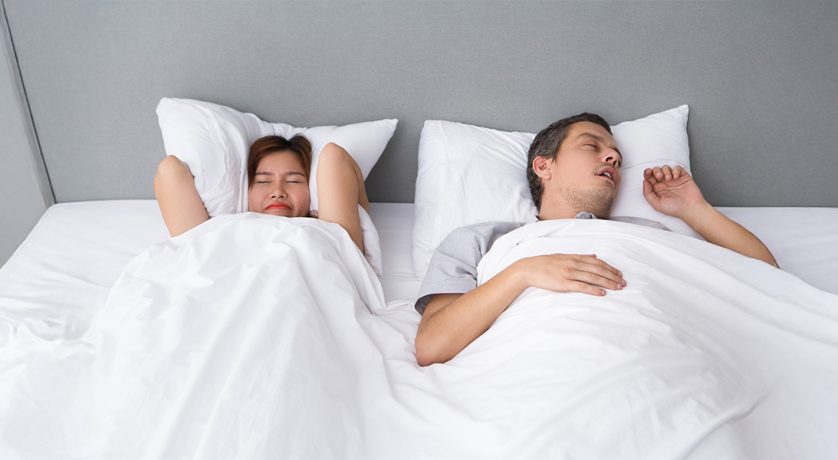
- You snore so loudly that it disrupts their sleep
- You seem to stop breathing, then suddenly gasp for air
- You shift positions constantly, almost like you’re uncomfortable or struggling
- You sweat a lot during sleep
- Your face sometimes looks pale or tense when you’re asleep
Don’t brush off their concerns. Sleep apnea hardly goes away on its own. Checking in with a dentist in Grand Central who understands airway issues can help you find the answers you need.
Risk Factors That Enhances the Chances of Sleep Apnea
Certain health and lifestyle factors raise your risk. Knowing what puts you at higher risk can motivate you to get checked sooner.
- Excess weight or obesity
- A neck circumference more than 17 inches for men, 16 inches for women
- Smoking or alcohol use before bedtime
- Nasal congestion or sinus issues
- High blood pressure or heart problems
- Being male or over 40
- A family history of sleep apnea
Children can also develop sleep apnea, especially if they have enlarged tonsils or adenoids. If you fall into one or more of these categories, talk to an NYC dentist for a sleep assessment.
Why Early Detection Is Important
Ignoring sleep apnea can cause more than a rough morning. Over time, the lack of oxygen and rest can damage your heart, raise your blood pressure, and even increase the risk of stroke. It can also cause memory problems, lower work performance, and affect personal relationships.
Early detection:
- Helps prevent long-term damage
- Improves your energy and focus
- Reduces the risks of other medical problems
- Supports healthier aging
There are treatment options, many of them non-invasive and effective. And they work best when the condition is caught early.
When to See a Healthcare Professional
Don’t wait until symptoms grow worse. Reach out when:
- Snoring becomes loud and consistent
- You feel exhausted after a full night’s sleep
- You notice any of the signs listed above
- Someone else tells you they’ve seen signs during the night
A qualified professional may recommend a sleep study or suggest at-home monitoring. You don’t need to figure this out alone. Ask your dentist in New York if sleep apnea screening is available during your next check-up.
Final Thoughts
Take charge of your sleep and your health; don’t let sleep apnea go unnoticed. Early action leads to better outcomes and lasting peace of mind. Rockefeller Cosmetic Dentistry offers trusted care and personalized solutions to help you breathe much easier and sleep better. Schedule your consultation today and take the first confident step toward restful nights and energized mornings.