
Author: Cosmeticdentistsnewyorkcity_aDMeeN
What Should You Expect After Dermal Fillers?
July 1, 2026Dermal fillers are one of the most popular non-surgical cosmetic treatments today. According to the American Society of Plastic Surgeons, millions of filler procedures are performed every year because they offer quick results with little downtime. Still, many patients feel unsure about what happens after the appointment.
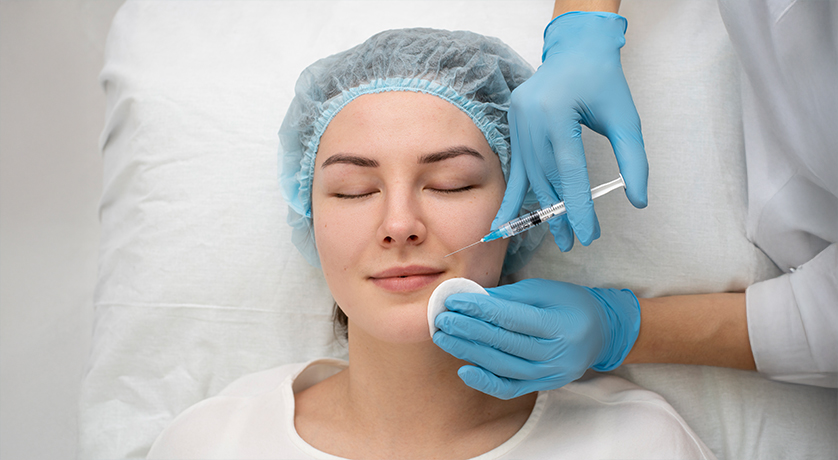
Understanding the healing process can help you feel more confident and prepared. Whether you recently scheduled treatment with a cosmetic dentist in New York or are exploring facial aesthetic services for the first time, knowing what to expect after dermal fillers is important for comfort, safety, and long-lasting results.
What Are Dermal Fillers?
Dermal fillers are minimally invasive treatments that enhance facial appearance by restoring volume and refining natural contours. Hyaluronic acid is a common ingredient in dermal fillers because it supports hydration and adds natural-looking volume to the skin.
These treatments are commonly used to:
- Add volume to cheeks
- Soften smile lines
- Enhance lips
- Improve jawline definition
- Reduce under-eye hollows
- Restore youthful facial balance
Many dental professionals now provide facial aesthetic treatments because they have advanced knowledge of facial anatomy and muscle structure.
Common Areas Treated With Fillers
Different filler products are selected depending on the treatment area and desired outcome. Common areas include:
- Lips: Lip fillers can improve shape, hydration, and symmetry while maintaining a natural appearance.
- Cheeks: Volume loss in the cheeks is common with aging. Fillers help restore facial structure and support.
- Nasolabial Folds: These facial folds extend from the sides of the nose down toward the corners of the lips. Fillers soften their appearance without surgery.
- Jawline And Chin: Strategic injections can improve facial definition and balance.
- Under-Eye Area: Carefully placed filler may reduce hollowing and tired-looking eyes.
Immediate Results After Treatment
One reason fillers remain popular is that results are often visible right away. Many patients notice fuller contours immediately after treatment. However, the first appearance is not always the final result.
Right after injections, it is normal to experience:
- Mild swelling
- Tenderness
- Redness
- Slight firmness
- Small injection marks
These reactions are temporary and usually improve within several days.
An experienced provider will explain that early swelling may make the treated area appear slightly fuller than expected at first.
Swelling, Redness, and Bruising
Swelling is the most common side effect after filler treatment. It is typically mild and improves gradually during the first 48 to 72 hours.
Bruising can happen because small blood vessels beneath the skin may become irritated during injection. Some people bruise more easily than others, especially those taking blood-thinning medications or supplements.
Common Temporary Side Effects
- Puffiness around injection sites
- Mild asymmetry during early healing
- Sensitivity to touch
- Small bruises
- Tight feeling in treated areas
Cold compresses may help reduce swelling during the first day. Sleeping with your head elevated can also minimize fluid buildup overnight.
If swelling becomes severe or painful, patients should contact their provider promptly.
How Long Does Recovery Usually Take
Most people return to normal activities within 24 hours. Recovery time depends on:
- Treatment area
- Type of filler used
- Individual healing response
- Amount of product injected
Minor swelling may last a few days, while subtle settling continues over one to two weeks.
Lip fillers often require slightly longer healing because the lips are highly vascular and sensitive.
Typical Healing Timeline
- First 24 Hours
- Mild redness and swelling
- Possible tenderness
- Days 2–3
- Swelling may peak
- Bruising becomes more noticeable
- Days 5–7
- Most swelling improves
- Results begin looking more natural
- After Two Weeks
- Final appearance usually settles
Tips for Aftercare and Healing
Proper aftercare supports healing and helps maintain smoother results. Patients should carefully follow post-treatment instructions.
Helpful Aftercare Tips
- Stay hydrated
- Use cold compresses gently
- Sleep on your back with your head elevated
- Avoid excessive touching of treated areas
- Keep skin clean and protected from sun exposure
Expert Insight
Many providers recommend avoiding unnecessary pressure on treated areas during the first few days. Even small habits, such as aggressive facial massages, can affect filler placement early in the healing process.
Patients preferring a local cosmetic dentist often appreciate providers who combine aesthetic expertise with detailed aftercare guidance.
Activities to Avoid After Fillers
Certain activities can increase swelling or interfere with healing during the first 24 to 48 hours.
Avoid The Following
- Intense exercise
- Alcohol consumption
- Hot tubs and saunas
- Excessive sun exposure
- Facial massages
- Pressure on treated areas
Heavy workouts increase blood flow and may temporarily worsen swelling or bruising.
It is also best to postpone dental procedures immediately after filler treatment unless approved by the provider.
When Final Results Become Visible
Although immediate improvement is common, final results take time to settle fully. Most patients see their optimal appearance after about two weeks.
At this stage:
- Swelling has resolved
- Fillers soften naturally within tissue
- Facial symmetry becomes clearer
- Results appear more refined
Patience during the healing process is important. Early unevenness often improves naturally as swelling decreases.
How Long Dermal Fillers Last
The duration of filler results can vary from person to person based on several important factors.
Factors That Affect Duration
- Type of filler product
- Treatment location
- Metabolism
- Lifestyle habits
- Sun exposure
- Smoking
On average, hyaluronic acid fillers may last between 6 and 18 months.
Areas with more movement, such as the lips, often break down filler faster than less mobile areas like the cheeks.
Maintenance appointments can help preserve results over time while keeping enhancements subtle and balanced.
Final Thoughts
Dermal fillers provide a non-surgical option for improving facial features while requiring minimal recovery time. Being aware of what happens after treatment may ease concerns and contribute to a more relaxed healing experience.
Most side effects are temporary, and final results often become visible within two weeks. Choosing a qualified provider is one of the most important steps for safe treatment and natural-looking outcomes.
Patients considering dermal fillers can learn more about facial aesthetic services through Rockefeller Cosmetic Dentistry
Frequently Asked Questions
The procedure is generally well tolerated, with most people experiencing only minor discomfort. Many filler products contain lidocaine to improve comfort during injections.
Yes. Most people return to work the same day or the following day. Mild swelling or bruising may still be visible for a short time.
Patients should seek professional guidance if they develop any of the following concerns:
- Severe pain
- Significant discoloration
- Increasing swelling
- Signs of infection
- Persistent lumps
Yes. Natural-looking results depend heavily on product selection, injection technique, and facial balance.
Healthy skincare habits, hydration, sunscreen use, and smoking avoidance may help maintain filler results for longer.
8 Facts About Dermal Fillers Most Patients Don’t Know
May 1, 2026Patients exploring treatment options often begin with an evaluation of facial bone contour, soft tissue thickness, and muscle movement before any injection is planned. Over time, the maxilla and mandible lose density, and fat pads shift downward, which changes how the skin rests over the underlying framework. For individuals considering dermal fillers in Grand Central, it is important to understand that what appears as a surface crease often reflects volume reduction at the skeletal level. Arterial pathways, nerve branches, and individual healing patterns must be identified in advance. Injection is appropriate only when those structures can be protected, and anatomical risk is controlled.

What Are Dermal Fillers
Dermal fillers are injectable gels, most commonly composed of hyaluronic acid. This molecule attracts and holds water within connective tissue, creating temporary expansion in areas where collagen has thinned. Depth control is critical. Material placed too superficially may cause visible contour changes. Placement in the wrong plane can compress a vessel and interfere with blood flow. Product choice is guided by tissue resilience and the degree of volume deficiency observed during examination.
1: Fillers Do More Than Reduce Wrinkles
Visible folds often develop because bone projection decreases and soft tissue descends. Cheek flattening, for example, can follow gradual maxillary remodeling. Injecting directly into a crease without addressing the underlying support may produce limited improvement.
Clinical indications may involve:
- Reinforcing midface contour where projection has diminished
- Reestablishing lip border definition after tissue thinning
- Improving chin projection to stabilize lower facial alignment
- Softening folds created by downward fat pad movement
Each region requires separate mapping because vascular supply and nerve location vary across the face.
2: Results Are Temporary but Long Lasting
Hyaluronic acid is broken down by naturally occurring enzymes in the body. Metabolism occurs over several months as circulation and cellular activity influence absorption. Areas with high muscle activity, such as the lips, often lose volume sooner. Regions with less motion tend to retain contour longer. Review appointments allow assessment of symmetry as the material resorbs.
3: Different Types of Fillers Serve Different Purposes
Formulations differ in density and flexibility. Softer gels integrate more evenly within thin dermal layers. Firmer products maintain projection when positioned near bone.
Selection is based on:
- Skin thickness
- Extent of collagen loss
- Available skeletal support
- Risk of surface irregularity
If bone support is limited, deeper structural positioning may improve stability. If the skin layer is delicate, a lower-density gel reduces the chance of visible ridging.
4: Treatment Is Quick with Minimal Downtime
Injection appointments are brief, but preparation is deliberate. The skin is disinfected to reduce infection risk. Major arterial branches are identified before needle entry. Filler is introduced in small increments while tissue response is observed. Gentle molding distributes the material within the intended plane.
Swelling develops as part of the inflammatory response to minor tissue trauma. Bruising may occur if a small vessel is entered. Increasing pain, blanching, or delayed capillary refill require immediate reassessment because those findings may indicate compromised circulation.
5: Natural Results Depend on Technique
Injection angle, depth, and volume selection determine how the material integrates. Excess volume can create tension within confined tissue spaces and irritate adjacent nerves. Insufficient correction may leave weakened areas unsupported.
Careful technique involves slow deposition and repeated symmetry checks. Decisions are guided by anatomical alignment rather than surface smoothing alone.
6: Fillers Can Improve Facial Balance
Facial proportion depends on coordination between skeletal contour, muscle tension, and overlying tissue. Reduced chin projection may alter lower facial alignment and affect perioral muscle function. In selected cases, conservative augmentation in that area restores profile balance without disturbing natural movement.
Assessment includes evaluation of jaw position and how the upper and lower arches relate. A dentist in Grand Central who evaluates facial balance must consider occlusion, mandibular support, and soft tissue thickness before recommending injectable correction. Adjustments are limited to amounts that maintain functional harmony and protect surrounding structures.
7: Maintenance Sessions May Be Needed
As the body absorbs filler, the contour gradually decreases. Breakdown is not always symmetrical because muscle dominance and circulation vary from side to side. Periodic reassessment allows small corrections before a visible imbalance develops.
Incremental adjustments at appropriate intervals often preserve stability more predictably than waiting for complete resorption. Ongoing monitoring also reduces the likelihood of excessive volume accumulation.
8: A Skilled Provider Matters Most
The facial region contains arteries that supply oxygenated blood to the skin and deeper tissues. Accidental intravascular injection can obstruct circulation and threaten tissue viability. Early indicators include persistent pain, pale discoloration, or slowed capillary refill. Immediate intervention is necessary to protect surrounding structures.
Professionals trained in head and neck anatomy understand the course of vessels and sensory nerves. Individuals searching for dermal fillers near you should confirm that anatomical mapping and risk assessment guide each injection decision.
What to Expect During Your Appointment
Consultation begins with a review of the medical history that may influence clotting or healing response. Bone contour, skin thickness, and muscle dynamics are evaluated before any material is introduced. Baseline photographs may assist with alignment analysis.
Patients meeting with a dentist near you for filler evaluation should expect a discussion of anatomical risks, alternative options, and realistic limitations. During injection, material is placed gradually with pauses to observe tissue adaptation. Light pressure controls minor bleeding if present. A follow-up visit allows evaluation of healing and structural balance.
Final Thoughts
Dermal fillers address volume changes associated with bone remodeling and collagen reduction. Safe outcomes rely on anatomical knowledge, measured volume selection, and careful post-procedure observation. At Rockefeller Cosmetic Dentistry, recommendations are based on structural findings and clinical risk assessment rather than cosmetic preference.
Everything You Need to Know About Botox Before Treatment
April 1, 2026Introduction
Botox has become a commonly discussed option for individuals looking to soften facial lines and maintain a fresh appearance. Patients considering Botox treatment in Grand Central often search for information on Botox before deciding whether the treatment is right for them. Understanding how Botox works, and what results may look like helps patients approach treatment with confidence and realistic expectations.

Before starting any cosmetic treatment, it is important to understand both its benefits and limitations. Botox is not about changing facial features, but rather supporting balance and reducing the appearance of certain expression lines when used thoughtfully.
Understanding Botox and Its Purpose
Botox is a purified protein gained from botulinum toxin that has been safely used in both medical and cosmetic care for many years. In facial treatments, it works by temporarily relaxing targeted muscles that add to the formation of lines and wrinkles.
When muscles repeatedly contract during expressions like smiling or frowning, lines can become more noticeable over time. Botox helps reduce this activity, allowing the skin to appear smoother while still maintaining natural movement when administered appropriately.
Common Reasons Patients Consider Botox
People explore Botox for various personal reasons. Some are interested in addressing forehead lines or areas around the eyes, while others want to reduce the appearance of lines that develop with repeated facial expressions.
Patients searching for a dentist near you who provides facial treatments often want conservative results that align with their natural features. Botox can also be part of a broader facial care plan focused on balance rather than dramatic change.
How Botox Works in Facial Treatments
Botox acts by blocking nerve signals to specific muscles, reducing their ability to contract. This effect is temporary and gradually wears off as normal nerve function returns.
By targeting precise areas, Botox allows surrounding muscles to function normally. This selective approach is what helps maintain a natural appearance while softening targeted lines.
What to Expect During a Botox Consultation
A consultation is an important first step before treatment. During this visit, the provider reviews medical history, discusses aesthetic goals, and evaluates facial movement.
Patients often appreciate having the opportunity to ask questions and understand how Botox may fit into their overall facial care plan. A dentist in Grand Central who offers cosmetic services may focus on facial structure, symmetry, and bite alignment during this evaluation.
Preparation Steps Before Botox Treatment
Preparing for Botox treatment is typically straightforward. Patients are often suggested to avoid certain medications or supplements that may add the risk of bruising, depending on individual health history.
Staying well hydrated and arriving with a clean face can also help support a smooth treatment experience. Specific preparation guidance is always tailored to the individual.
What the Treatment Experience Feels Like
Botox treatment is usually quick and performed in an office setting. Most patients describe the sensation as a brief pinch or pressure at the injection site.
The process typically takes only a few minutes, and patients can usually go back to normal activities shortly afterward. Discomfort is generally minimal and temporary.
Post-Treatment Care and Early Results
After treatment, patients may be advised to refrain from touching the treated areas for a short period. Mild redness or swelling at injection areas may occur but usually resolves quickly.
Results usually begin to appear gradually over several days. The full effect is typically visible within about two weeks, depending on the individual and treatment area.
How Botox Supports Facial Balance and Appearance
When used thoughtfully, Botox supports facial balance by reducing overactive muscle movement without limiting natural expression. The goal is subtle improvement rather than noticeable change.
Botox is most effective when integrated into a personalized plan that considers facial anatomy and natural movement patterns. This approach helps maintain expression while softening specific lines.
Final Thoughts
Learning about Botox before treatment helps patients make informed decisions and feel more confident about their care. From understanding how it works to learning what to expect before and after treatment, education plays an important role in gaining satisfying results.
For patients seeking a careful, personalized approach to facial treatments, Rockefeller Cosmetic Dentistry offers guidance focused on balance, comfort, and natural-looking outcomes.
7 Ways Laser Dentistry Enhances Oral Health Treatments
March 1, 2026In modern dental care, laser dentistry is used selectively to help dentists manage certain oral conditions with improved precision and treatment control. Laser technology allows dentists to address both soft and hard tissue concerns while limiting disruption to surrounding structures. Rather than replacing traditional dental tools, lasers are selected for specific procedures where focused energy application may support treatment goals.
Dentists consider several factors before using laser-assisted methods, including the treatment area, tissue type, and overall oral health status.
The Role of Laser Dentistry in Oral Health Treatment
How laser dentistry is used helps patients better appreciate how certain procedures are performed and why this approach may be recommended as part of a broader treatment plan.
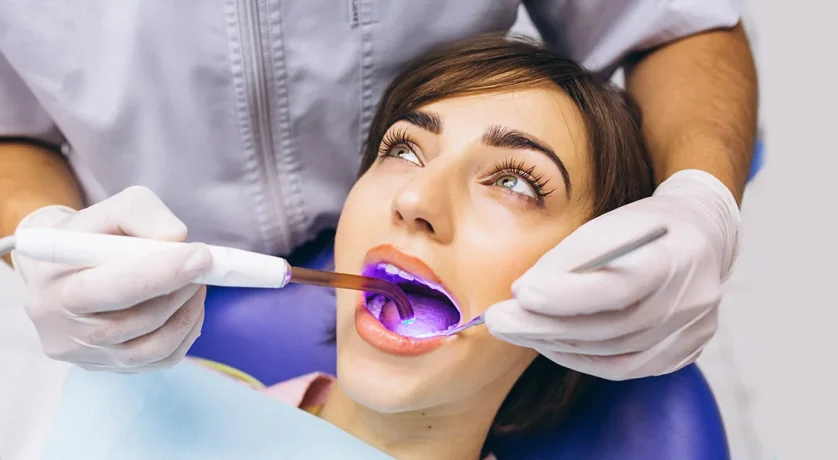
Laser dentistry uses concentrated light energy to assist with various dental procedures. Dentists determine whether laser technology is appropriate based on clinical findings and treatment objectives. While not used for every procedure, laser systems can offer benefits in specific situations where precision and tissue control are important.
The following sections explain how laser dentistry may support different aspects of oral health treatment.
Improves Precision During Dental Procedures
One of the primary reasons dentists use lasers is the precision they offer. Laser energy can be directed to a targeted area without affecting surrounding tissue. As a result, dentists can address targeted tissue areas while maintaining a high degree of procedural control.
Precision is especially useful during procedures involving gum tissue, where preserving healthy areas is important for long-term oral stability. Laser settings are adjusted to match the clinical objective of the procedure, allowing dentists to work efficiently while maintaining accuracy.
Supports Faster Healing and Recovery
Laser-assisted procedures may result in less tissue trauma compared to some conventional techniques. Laser energy can seal small blood vessels and nerve endings during treatment, potentially reducing inflammation in the treated area.
Dentists consider expected healing when selecting treatment methods. While recovery experiences vary from patient to patient, laser use may support a more comfortable healing process when clinically appropriate. Follow-up care and monitoring remain essential regardless of the treatment method used.
Enhances Patient Comfort During Treatment
Laser-assisted procedures may feel different from traditional dental tools. Because lasers can reduce vibration and pressure during certain treatments, some patients find the experience more comfortable.
Dentists consider patient comfort during treatment planning and and a dentist near you may use laser-assisted methods in appropriate cases to help address sensitivity, anxiety, or complex clinical needs. In certain cases, laser use may reduce the need for local anesthesia, depending on the procedure and individual tolerance.
Helps Reduce Bleeding and Swelling
Laser energy can help control bleeding by sealing small blood vessels during soft tissue procedures. This can be beneficial when dentists manage gum-related treatments or minor surgical care.
Dentists monitor tissue response throughout treatment to maintain safety. Reduced bleeding may also improve visibility during procedures and allow for more controlled treatment conditions. Swelling may still occur, but careful technique helps support predictable healing.
Promotes Better Gum Health Management
Lasers are often used when dentists manage gum tissue concerns. Focused laser energy enables targeted removal of diseased tissue while preserving healthy tissue.
Dentists may incorporate the use of a laser into a broader periodontal care plan that includes professional cleanings, home hygiene guidance, and routine monitoring.
While lasers can assist with tissue management, long-term gum health depends on consistent care and follow-up.
Allows More Conservative Tooth Treatment
Preserving healthy tooth structure is an important goal in dental care. Laser technology may assist with conservative treatment approaches by limiting removal to affected areas.
Dentists evaluate tooth structure and surrounding tissues before selecting laser-assisted methods. This approach supports long-term tooth stability and function while minimizing unnecessary removal of healthy material.
Supports a Cleaner and More Controlled Treatment Process
Laser use can help create a cleaner treatment environment by reducing bacterial levels in targeted areas. The controlled nature of laser energy allows dentists to manage treatment zones with precision and consistency.
Laser dentistry is one method dentists may discuss when reviewing procedural approaches and expected outcomes.
Conclusion
Laser dentistry provides dentists with additional tools to manage oral health treatments with precision, control, and patient comfort in mind. From supporting gum health to allowing conservative tooth treatment, laser technology is used selectively based on clinical findings and patient needs. At Rockefeller Cosmetic Dentistry, dentists evaluate whether laser-assisted care aligns with each patient’s clinical needs and oral health goals. Patients seeking a dentist in Grand Central can expect treatment recommendations based on professional assessment rather than solely on technology.
10 Teeth Whitening Aftercare Tips to Avoid Tooth Sensitivity
February 1, 2026Introduction to Teeth Whitening Aftercare
Teeth whitening can noticeably improve your smile, but proper aftercare plays a major role in how comfortable the process feels afterward. Some people notice temporary sensitivity after treatment, especially during the first few days. If you have recently had Teeth Whitening in Grand Central, understanding how to care for your teeth afterward can help reduce discomfort and protect your results. These aftercare tips focus on gentle habits that support enamel health while keeping sensitivity to a minimum.

Tip 1: Avoid Hot and Cold Foods Initially
Right after whitening, teeth may be more sensitive to temperature changes. Hot coffee or ice-cold drinks can trigger discomfort during this period. Choosing lukewarm foods and beverages for the first 24 to 48 hours gives teeth time to adjust and helps reduce sensitivity.
Tip 2: Use a Soft-Bristle Toothbrush
A soft-bristle toothbrush is gentler on both enamel and gums, especially after whitening. Brushing too hard or using hard, stiff bristles can increase sensitivity and irritate the gums. Gentle brushing helps keep teeth clean without adding unnecessary pressure.
Tip 3: Choose Toothpaste for Sensitive Teeth
Toothpaste particularly designed for sensitive teeth can help block nerve signals that cause discomfort. Using this type of toothpaste consistently after whitening can make daily brushing more comfortable and support enamel protection over time.
Tip 4: Limit Acidic Food and Drink Intake
Acidic foods and beverages can temporarily weaken enamel, making sensitivity more noticeable. Citrus fruits, soda, and vinegar-based foods should be limited during the initial aftercare period. Choosing neutral foods helps protect enamel while sensitivity improves.
Tip 5: Follow Recommended Oral Hygiene Practices
Maintaining good oral hygiene is important, but technique matters. Brush twice a day gently and floss once daily to remove plaque without irritating sensitive areas. Consistent care supports long-term whitening results and overall oral health.
Tip 6: Avoid Staining Foods and Beverages
Dark-colored foods and drinks can stain teeth more easily after whitening. Coffee, red wine, berries, and sauces may dull results if consumed too soon. Avoiding these items for a few days helps maintain brightness and reduces the need for additional treatments.
Tip 7: Stay Hydrated to Support Oral Health
Drinking water helps wash down food particles and keeps the mouth hydrated. A well-hydrated mouth supports saliva production, which helps protect enamel and reduce irritation. Sipping water throughout the day can also reduce sensitivity triggers.
Tip 8: Avoid Excessive Whitening Treatments
Overusing whitening products can increase sensitivity and damage enamel. Whitening should follow professional guidance whenever possible. Giving teeth time to recover between treatments helps maintain comfort and prevent long-term issues.
Tip 9: Protect Teeth from Grinding or Clenching
Teeth grinding or clenching can worsen sensitivity after whitening. If you grind your teeth at night, wearing a protective guard may help reduce pressure on enamel. Addressing this habit can improve comfort and help protect whitening results.
Tip 10: Schedule Follow-Up Dental Checkups
Regular dental visits allow sensitivity concerns to be addressed early. A dentist in Grand Central can evaluate enamel health and recommend adjustments if sensitivity persists. Follow-up care helps ensure whitening results remain effective and comfortable.
Frequently Asked Questions About Teeth Whitening Aftercare
Tooth sensitivity after whitening is typically temporary. For many people, it improves within a few days, though some may notice mild sensitivity for up to a week. Following proper aftercare steps and using products designed for sensitive teeth can help ease discomfort more quickly.
If your teeth feel sensitive, it’s best to avoid coffee, tea, and other dark beverages for a few days. These drinks can increase sensitivity and may stain teeth while enamel is more vulnerable. If you do consume them, drinking water afterward may help reduce their effects.
Mild sensitivity does not usually mean that teeth were damaged. Whitening can temporarily open microscopic pores in enamel, which may make teeth more reactive. This effect typically resolves on its own with proper care and does not indicate permanent harm.
You should continue brushing and flossing, but gently. Using a soft-bristle toothbrush and brushing with light pressure helps keep teeth clean without worsening sensitivity. Skipping oral care can increase plaque buildup and lead to other dental issues.
Final Words
Tooth sensitivity after whitening is common, but it does not have to interfere with your daily routine. Following simple aftercare steps can protect enamel, reduce discomfort, and help results last longer. Whether you sought Professional Teeth Whitening Near You or consulted a dentist near you for guidance, proper care makes a meaningful difference. With thoughtful habits and professional follow-up from Rockefeller Cosmetic Dentistry, you can enjoy a brighter smile with improved comfort and confidence.
How to Identify the Warning Signs of Sleep Apnea?
January 19, 2026Trouble staying alert during the day? Loud snoring at night? These aren’t just sleep disruptions; they could signal a serious condition. If you're seeking Sleep Apnea treatment in New York, it’s vital to recognize the red flags early. Knowing the signs now can protect your long-term health and help restore the restful sleep your body truly needs.

What Is Sleep Apnea?
Sleep apnea basically is a sleep disorder that causes breathing to stop and begin during rest. These pauses can last from a few seconds to over a minute. They may happen dozens or even hundreds of times each night. When the body doesn’t get enough oxygen, it struggles. This condition quietly robs you of restful sleep and puts added stress on your heart, lungs, and brain.
There are three major types of sleep apnea. Each affects breathing in a slightly different way, but all can lead to serious health problems if ignored.
Types of Sleep Apnea You Should Know
-
- Obstructive Sleep Apnea (OSA):
The most common type. It happens when the throat muscles relax too much and block the airway.
-
- Central Sleep Apnea:
This one isn’t caused by a blocked airway. Instead, the brain fails to send the right signals to the muscles that control breathing.
-
- Complex Sleep Apnea Syndrome:
Also called treatment-emergent central sleep apnea, it’s a combination of obstructive and central types.
Common Symptoms That Occur During Sleep
Some warning signs only show up while you’re asleep, which makes them harder to catch unless someone else points them out. Still, knowing what to ask or look for can help.
- Loud, frequent snoring
- Gasping or choking sounds during sleep
- Pauses in breathing, noticed by others
- Restless tossing and turning
- Waking up having a dry mouth or a sore throat
If restful sleep feels out of reach, it may be time to explore options for Sleep Apnea near you.
Daytime Warning Signs to Watch For
Sleep apnea doesn’t just make nights difficult; it affects your entire day. The lack of oxygen and poor sleep quality take a toll on your body and mind. Look out for these signs:
- Extreme daytime fatigue, even after sleeping eight hours
- Trouble focusing or remembering things
- Irritability and mood swings
- Falling asleep during routine activities like driving or reading
- Headaches when waking up
These symptoms build slowly but can grow into bigger health concerns. If you’ve noticed any of these patterns, it may be time to talk to a dentist near you.
Physical Signs Observed by Others
Your partner, roommate, or even a family member might notice things before you do. That outside perspective can be key to recognizing the issue.
Here are things others might see:
- You snore so loudly that it disrupts their sleep
- You seem to stop breathing, then suddenly gasp for air
- You shift positions constantly, almost like you’re uncomfortable or struggling
- You sweat a lot during sleep
- Your face sometimes looks pale or tense when you’re asleep
Don’t brush off their concerns. Sleep apnea hardly goes away on its own. Checking in with a dentist in Grand Central who understands airway issues can help you find the answers you need.
Risk Factors That Enhances the Chances of Sleep Apnea
Certain health and lifestyle factors raise your risk. Knowing what puts you at higher risk can motivate you to get checked sooner.
- Excess weight or obesity
- A neck circumference more than 17 inches for men, 16 inches for women
- Smoking or alcohol use before bedtime
- Nasal congestion or sinus issues
- High blood pressure or heart problems
- Being male or over 40
- A family history of sleep apnea
Children can also develop sleep apnea, especially if they have enlarged tonsils or adenoids. If you fall into one or more of these categories, talk to an NYC dentist for a sleep assessment.
Why Early Detection Is Important
Ignoring sleep apnea can cause more than a rough morning. Over time, the lack of oxygen and rest can damage your heart, raise your blood pressure, and even increase the risk of stroke. It can also cause memory problems, lower work performance, and affect personal relationships.
Early detection:
- Helps prevent long-term damage
- Improves your energy and focus
- Reduces the risks of other medical problems
- Supports healthier aging
There are treatment options, many of them non-invasive and effective. And they work best when the condition is caught early.
When to See a Healthcare Professional
Don’t wait until symptoms grow worse. Reach out when:
- Snoring becomes loud and consistent
- You feel exhausted after a full night’s sleep
- You notice any of the signs listed above
- Someone else tells you they’ve seen signs during the night
A qualified professional may recommend a sleep study or suggest at-home monitoring. You don’t need to figure this out alone. Ask your dentist in New York if sleep apnea screening is available during your next check-up.
Final Thoughts
Take charge of your sleep and your health; don’t let sleep apnea go unnoticed. Early action leads to better outcomes and lasting peace of mind. Rockefeller Cosmetic Dentistry offers trusted care and personalized solutions to help you breathe much easier and sleep better. Schedule your consultation today and take the first confident step toward restful nights and energized mornings.
7 Benefits of Getting Professional Sleep Apnea Treatment
January 1, 2026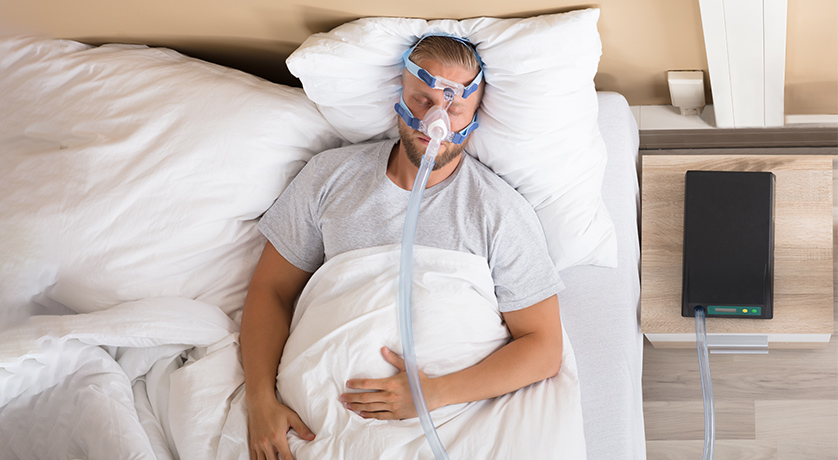
Professional care gives you a structured plan, accurate diagnosis, and access to treatments designed to improve comfort and consistency. Instead of relying on guesswork, you gain clear guidance and tools that help protect your health long-term.
Improves Quality and Duration of Sleep
Sleep apnea interrupts breathing multiple times throughout the night, preventing your body from reaching deep sleep stages. Professional treatment supports better airflow, helping you:
- Stay asleep longer
- Reach deeper and more restorative sleep cycles
- Wake up less throughout the night
- Experience more consistent, uninterrupted rest
Many adults notice that their morning routine becomes easier and that waking feels more natural without relying on multiple alarms.
Reduces Daytime Fatigue and Drowsiness
Interrupted sleep can leave you dragging through the day. With treatment, your body receives enough oxygen to recover overnight. As a result, you may experience:
- Reduced morning grogginess
- Fewer afternoon crashes
- Better alertness while driving
- Improved participation in daily activities
More stable energy helps you feel engaged at work, school, and home.
Enhances Focus, Memory, and Productivity
Consistent oxygen flow during sleep is essential for brain function. When sleep apnea is untreated, your brain repeatedly wakes to restore breathing. Treatment can help sharpen:
- Concentration
- Memory
- Decision-making
- Organizational skills
Many people find that they complete tasks more easily, think clearly for longer periods, and feel mentally sharper throughout the day.
Helps Protect Your Heart and Maintain Healthy Blood Pressure
Sleep apnea can strain the heart and raise blood pressure due to repeated drops in oxygen. Professional treatment helps keep the airway open, which may:
- Reduce cardiovascular strain
- Support healthier blood pressure levels
- Lower the risk of heart disease
- Improve long-term circulation and oxygen flow
Although treatment is not a cure-all, it plays a major role in protecting overall heart health.
Prevents Snoring and Improves Breathing at Night
Snoring is often caused by a narrowed or collapsing airway. It often leads to broken sleep for you and can keep your partner awake during the night. A Grand Central dentist can recommend treatments such as custom oral appliances to improve airflow. This may:
- Reduce or eliminate snoring
- Help you breathe more quietly
- Improve airflow throughout the night
- Promote more restful sleep for everyone in the household
Many partners notice immediate improvement once treatment begins.
Boosts Mood and Overall Mental Well-Being
Chronic tiredness can influence emotional balance, patience, and stress levels. When sleep apnea is controlled, you may notice improvements such as:
- Greater emotional stability
- Improved patience during daily tasks
- Better coping skills when stressed
- A more positive and confident daily outlook
Restful sleep helps your body regulate mood-related hormones more effectively.
Supports Long-Term Health and Better Life Quality
Sleep apnea treatment near you is an investment in lifelong health. Stable breathing during sleep supports:
- Stronger immune function
- Better metabolism
- Improved hormone balance
- Lower risk of accidents caused by drowsiness
If you are searching for a dentist in Grand Central, choosing a provider familiar with airway health can help you select oral appliances that fit comfortably and support your treatment goals.
Many people begin by looking for sleep apnea treatment, then meet with a dental professional who collaborates with sleep physicians. This teamwork helps ensure accurate diagnosis, personalized care, and long-term treatment success.
Seeing a dentist near you also makes follow-up visits easier, which encourages consistent use of any appliances and helps track improvements over time. Staying consistent with check-ins helps maintain the benefits of your therapy.
Final Thoughts
Sleep apnea can affect sleep, energy, mood, and overall well-being, but professional care offers a clear path toward healthier nights and brighter days. By improving airflow and supporting deeper rest, treatment can enhance both short-term comfort and long-term health. To take the next step toward better sleep, consider meeting with Rockefeller Cosmetic Dentistry for guidance and support tailored to your needs.
How Same-Day Implants Restore Smiles Faster Than Ever?
December 1, 2025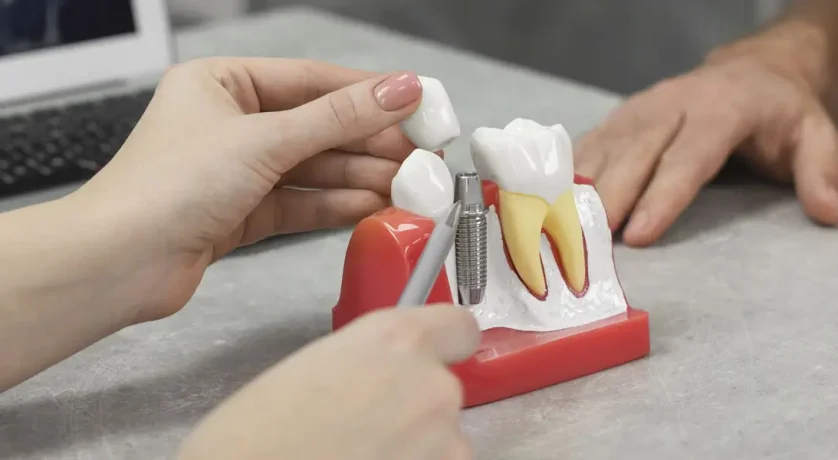
What Are Same-Day Dental Implants?
Same-day implants replace missing teeth by placing a titanium post and attaching a crown during the same appointment. Traditional implants often take months before a crown is added, but this option shortens the timeline without sacrificing strength.
How They Work Step by Step
- A thorough oral evaluation determines your candidacy.
- Digital scans map your jaw for precision placement.
- The implant post is secured into the bone.
- A temporary crown is attached the same day.
- After healing, a permanent crown is placed.
Why Patients Prefer Same-Day Implants
For many patients, the appeal is clear:
- Quick smile transformation: You leave the office with a tooth in place.
- Immediate functional benefits: You can chew soft foods right away.
- Boost in self-confidence: No gaps, no waiting months to restore appearance.
This is why people searching for Same-Day Implants near you often choose this path over lengthy alternatives.
The Procedure of Same-Day Implants
Consultation and Oral Examination
The process begins with a discussion about your dental health, medical history, and smile goals.
Digital Scans and Treatment Planning
Advanced imaging ensures precise measurements, helping the dentist place the implant with accuracy.
Implant Placement and Temporary Crown
The titanium post is settled into the jaw, followed by a temporary crown that blends with your natural teeth.
Final Restoration Process
After healing, your dentist replaces the temporary crown with a custom permanent crown for long-term strength and appearance.
For patients who want convenience, working with a trusted dentist near you can make this process smooth and stress-free.
Key Benefits of Same-Day Implants
- Faster treatment timeline: Walk in with a missing tooth, walk out with a full smile.
- Immediate aesthetic results: No need to live with gaps.
- Reduced healing period: Shorter recovery compared to traditional methods.
- Natural look and feel: The crown is designed to match your other teeth.
Some worry that same-day implants may be less secure, but studies show that when placed properly, success rates are as high as traditional implants.
How Same-Day Implants Restore Oral Health and Smiles
Missing teeth affects more than appearance. Same-day implants restore function while protecting long-term health.
- Restoring bite and chewing function: Enjoy food with confidence again.
- Preventing bone and gum deterioration: The implant stimulates the jaw, stopping bone loss.
- Enhancing facial aesthetics: Restores natural contours, preventing a sunken look.
This type of care can be especially valuable when provided by an experienced dentist in Grand Central.
Recovery and Aftercare Guidelines
Proper aftercare ensures the best outcome.
- Post-procedure care instructions: Use ice packs for swelling and follow prescribed medication if needed.
- Foods to eat and avoid during healing: Stick to soft food items like yogurt, eggs, and pasta. Avoid hard or crunchy items.
- Oral hygiene practices for implant success: Brush gently, rinse with warm salt water, and avoid smoking.
- Managing mild discomfort: Over-the-counter pain relief usually helps. Most patients feel better within a few days.
Working with a trusted NYC dentist ensures you receive ongoing support during recovery.
Final Thoughts
Same-day implants continue to change how patients view dental care. Instead of waiting months, you can walk out of the office with a complete smile in a single visit. This option restores function, protects oral health, and gives back the confidence that missing teeth often take away. Patients appreciate the comfort of knowing their results look natural and feel secure. For those seeking trusted guidance, working with a skilled dentist in New York ensures peace of mind through every stage of treatment. At Rockefeller Cosmetic Dentistry Grand Central, our team provides advanced care in a welcoming setting. Schedule your consultation today to learn how same-day implants can help you enjoy a stronger, healthier, and brighter smile.
8 Things You Did Not Know About LANAP Gum Therapy
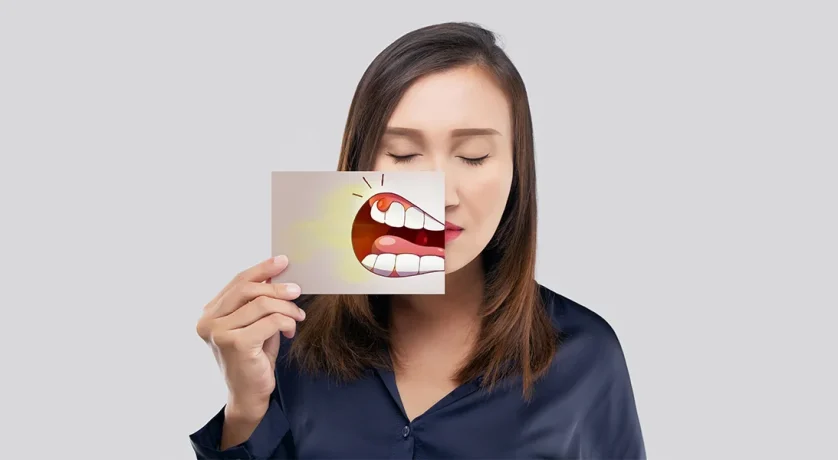
November 4, 2025If you’ve been searching for LANAP gum therapy in Grand Central, you might already know that it’s a modern approach to treating gum disease. But what many patients don’t realize is how advanced this treatment truly is compared to traditional methods. Instead of scalpels and stitches, LANAP relies on innovative laser technology to restore gum health comfortably and effectively.
Here are eight things most people don’t know about this groundbreaking treatment.
1. LANAP Uses Laser Technology Instead of Traditional Surgery
Traditional gum surgery often involves cutting into the gums to remove diseased tissue. That can sound intimidating to many patients. With LANAP, things look very different.
- The treatment uses a specialized PerioLase MVP-7 laser.
- This laser pinpoints and removes only diseased gum tissue.
- No cutting, no sutures, and much less discomfort.
This advanced technology makes LANAP an attractive option for patients who want a less invasive alternative to gum surgery.
2. The Procedure Is Minimally Invasive With Faster Healing
One of the biggest advantages of LANAP is how gentle the process feels. Unlike traditional surgery, which can leave patients with soreness and longer downtime, LANAP requires only tiny laser pulses.
If you’re someone who’s been delaying gum treatment due to fear of surgery, this might be the right solution.
3. LANAP Targets Bacteria Without Harming Healthy Tissue
This treatment is highly selective. The laser doesn’t just burn away everything in its path—it’s designed to distinguish between healthy tissue and harmful bacteria.
This precision means better outcomes and less damage compared to older methods.
4. It Can Help Regenerate Bone Around Teeth
Gum disease doesn’t just affect the gums—it can also eat away at the bone supporting your teeth. Without treatment, this can eventually lead to loose teeth or even tooth loss.
LANAP is different because it can actually stimulate bone regeneration. By cleaning the infected area and activating your body’s natural healing response, LANAP creates an environment where bone tissue can grow back. For patients with advanced gum disease, that’s a game changer.
5. The Treatment Is Virtually Pain-Free for Most Patients
A lot of people avoid gum treatment because they’re worried about pain. The good news? Most patients describe LANAP as surprisingly comfortable.
It’s a relief to know that caring for your gums doesn’t have to be an uncomfortable process.
6. LANAP Reduces Gum Recession Compared to Traditional Surgery
Traditional gum surgery sometimes results in gum recession, making teeth look longer and more sensitive. LANAP reduces that risk.
Because the laser works so precisely, it preserves more of your natural gumline. That means:
- Less root exposure.
- A more natural smile.
- Reduced sensitivity after healing.
For anyone concerned about aesthetics, this is a huge plus.
7. It Lowers the Risk of Tooth Loss From Advanced Gum Disease
Advanced gum disease is one of the primary causes of tooth loss in adults. By targeting infection and supporting bone regeneration, LANAP can help stabilize teeth that might otherwise be at risk.
It’s not just about saving your smile—it’s about protecting your long-term oral health. Patients often find that LANAP helps them hold on to their natural teeth longer, avoiding the need for dentures or implants.
8. The Recovery Time Is Much Shorter Than Conventional Methods
With traditional gum surgery, patients often face weeks of recovery. LANAP changes that story.
- Most people can return to work the very next day.
- Healing is quicker because there are no open wounds or stitches.
- The gums continue to repair themselves naturally in the weeks that follow.
That shorter recovery time makes LANAP especially appealing for busy professionals who don’t want treatment to disrupt their daily lives.
Why Patients in New York Choose LANAP
Whether you’re visiting a NYC dentist for a consultation or searching for a dentist near you, LANAP has become one of the most trusted modern solutions for gum disease.
Patients visiting a dentist in Grand Central, New York for this procedure, appreciate that it’s effective, comfortable, and minimally invasive compared to traditional surgery.
Conclusion
LANAP gum therapy is more than just a new dental procedure—it’s a revolution in the way we treat gum disease. With its ability to target bacteria, promote healing, and regenerate bone while keeping patients comfortable, it’s easy to see why so many people are choosing it over traditional surgery.
If you’ve been told you need gum treatment, don’t put it off. Explore whether LANAP might be right for you. Book an appointment with a dentist at Rockefeller Cosmetic Dentistry today. A healthier smile could be just one laser treatment away.
Mastering Dental Implants for a Confident New York Smile
October 1, 2025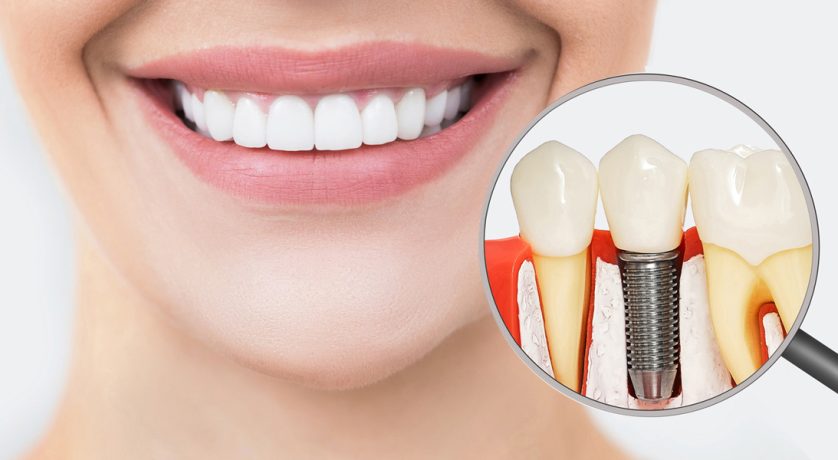
Why Modern Implants Stand Apart
Traditional bridges lean on neighboring teeth for support and often lead to enamel wear or gradual bone loss beneath the gap. By contrast, an implant replaces the root itself, stimulating the jaw and preserving facial contours. Because it stands alone, the restoration lets you brush and floss with ease, lowering the risk of decay. Patients also report clearer speech and renewed appetite for crunchy foods, from fresh apples to street-fair pretzels. Over three decades of research confirm success rates above ninety-five percent in healthy adults—a figure that rivals any restorative option on the market.
Quick Snapshot of Implant Benefits
- Maintains bone density to keep your profile youthful
- Restores strong bite force for confident eating
- Stays stable without adhesives or clasps
- Blends perfectly with nearby teeth in both color and contour.
After placement, a dentist at Rockefeller Cosmetic Dentistry monitors healing and adjusts home‐care advice to keep that post secure for decades.
Who Qualifies and Why
Candidacy depends on healthy gums, adequate bone, and a commitment to good habits. Non-smokers enjoy the best healing, yet motivated patients who quit before surgery can achieve similar results. If your jawbone has thinned, a minor graft builds volume in one short visit. Teens should wait until facial growth ends; adults of nearly any age can proceed once medical conditions such as diabetes are under control. During consultation, your provider reviews medications, checks bite alignment, and answers questions about anesthesia choices. A clear plan sets realistic expectations and guides you toward a dental implant near you that fits both timeline and budget.
Step-by-Step Surgical Roadmap
Advanced cone-beam imaging maps nerves, sinus cavities, and bone width within minutes. On surgery day, local anesthetic numbs the site while the clinician gently threads a titanium post into the prepared channel. Most people describe mild pressure rather than pain. A cover screw protects the implant while bone cells fuse to the metal over three to four months. After integration, the team places an abutment and scans your mouth digitally—no messy impressions. A lab technician crafts a ceramic crown that locks onto the abutment with a precise click. This streamlined workflow, guided by your dentist near you, minimizes chair time and speeds recovery.
Healing Tips for Decades of Performance
Drink plenty of water, stick to soft foods for the first few days, and avoid extreme temperatures that may irritate new tissue. Begin gentle brushing on day two with a soft brush, angling bristles toward the gumline. Floss nightly, guiding the strand around the healing cap without snapping. Rinse with a non-alcohol mouthwash if prescribed. Once crowned, protect your investment by wearing a night guard if you grind and scheduling cleanings twice yearly. Smokers should recognize that nicotine reduces blood flow and jeopardizes stability—another good reason to quit for good.
Investing Wisely in Your Smile
A single implant with a crown commonly ranges from $3,500 to $5,500 in the metro area. Fees reflect surgeon experience, grafting needs, and laboratory materials. While a bridge may look cheaper, it risks future replacements and potential root-canal costs on supporting teeth. Flexible financing plans, health savings accounts, and incremental payment options make treatment attainable for most budgets. A seasoned dentist in New York will provide an itemized estimate, outline warranty terms, and help you navigate insurance benefits before work begins.
Common Myths Debunked
Some believe implants fail often—statistics prove the opposite. Others think surgery feels intense; in truth, most patients compare it to an extraction but with less post-operative discomfort. A few fear metal allergies, yet medical-grade titanium boasts decades of safe use in hip and knee replacements. Finally, many assume healing takes a year; modern techniques cut that timeline in half for most healthy adults. By clearing up these myths, you can decide with clarity and confidence.
Conclusion
Dental implants pair engineering precision with biological harmony, restoring strength and aesthetics that stand the test of time. Partner with Rockefeller Cosmetic Dentistry Grand Central, follow straightforward care guidelines, and step back into your routine wearing a secure, natural-looking smile.